Henrik Dam discovered vitamin K as the result of experiments he was carrying out to determine whether cholesterol was a dietary essential. Dam (1929) noted a hemorrhagic syndrome in chicks fed diets that had sterols extracted by lipid solvents. He eventually isolated an active antihemorrhagic factor from alfalfa that E. A. Doisy’s research group characterized as 2-methyl-3-phytyl-1,4-napthoquinone (MacCorquodale et al., 1939). Early investigations established that vitamin K deficiency resulted in decreased activity of prothrombin in plasma. As they were discovered, the synthesis of clotting factors VII, IX, and X was also shown to be vitamin K-dependent. More recently, it has been shown that a number of other proteins, many with presently undetermined functions, require vitamin K for their biosynthesis.
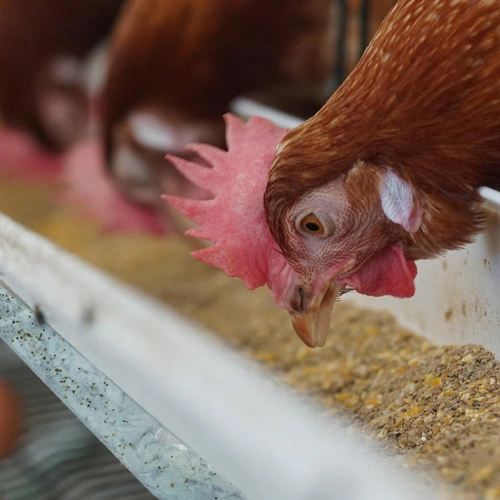
Dietary adequacy of vitamin K is often defined as the amount of vitamin needed to maintain normal levels of plasma vitamin K-dependent clotting factors. It has been difficult to demonstrate clearly and to measure dietary vitamin K requirements for many species. Presumably this is because of the varying degrees to which different species utilize the large amount of vitamin K synthesized by bacteria in the lower gut and the degree to which they practice coprophagy. A spontaneous deficiency of vitamin K was first noted in chicks; poultry are much more likely to develop dietary deficiency signs than any other species. Ruminants do not appear to need a source of vitamin K in the diet because the vitamin is synthesized by rumen microorganisms and subsequently utilized. Vitamin K deficiencies have been produced in most nonruminant species. Nevertheless, estimations of requirements made by different workers are difficult to compare because of the use of different forms of the vitamin and different methods to establish dietary requirements.
0912000000
info@test.com
lockورود کاربران